In a world where smartphones are practically an extension of ourselves, why settle for a cookie-cutter device? Smartphone personalization isn’t just a trend; it’s a revolution that transforms bland gadgets into unique expressions of individuality. Imagine your phone reflecting your personality, interests, and quirks—like a mini-me that fits right in your pocket.
Overview Of Smartphone Personalization
Smartphone personalization allows individuals to customize their devices, transforming them into reflections of their identities. This trend highlights how personalization aids in expressing unique interests and lifestyles.
Definition And Importance
Smartphone personalization refers to altering settings, themes, and features to create a unique user experience. The significance lies in its ability to enhance user connection with the device. When individuals tailor their smartphones, they cultivate a sense of ownership that fosters emotional attachment. As smartphones serve as personal companions, the need for customization grows. Personalized devices often lead to increased user satisfaction and a deeper engagement with technology.
Benefits Of Personalization
Personalization offers multiple advantages. First, it streamlines user experience by allowing easy access to frequently used apps and settings. Second, it enhances functionality by enabling users to prioritize apps according to their needs. Third, personalized interfaces can improve efficiency, reducing time spent searching for features. Additionally, customization fosters creativity, allowing users to express themselves artistically. Personalized devices can also enhance security, as customized lock screens and security settings lead to better protection of personal information.
Popular Personalization Features
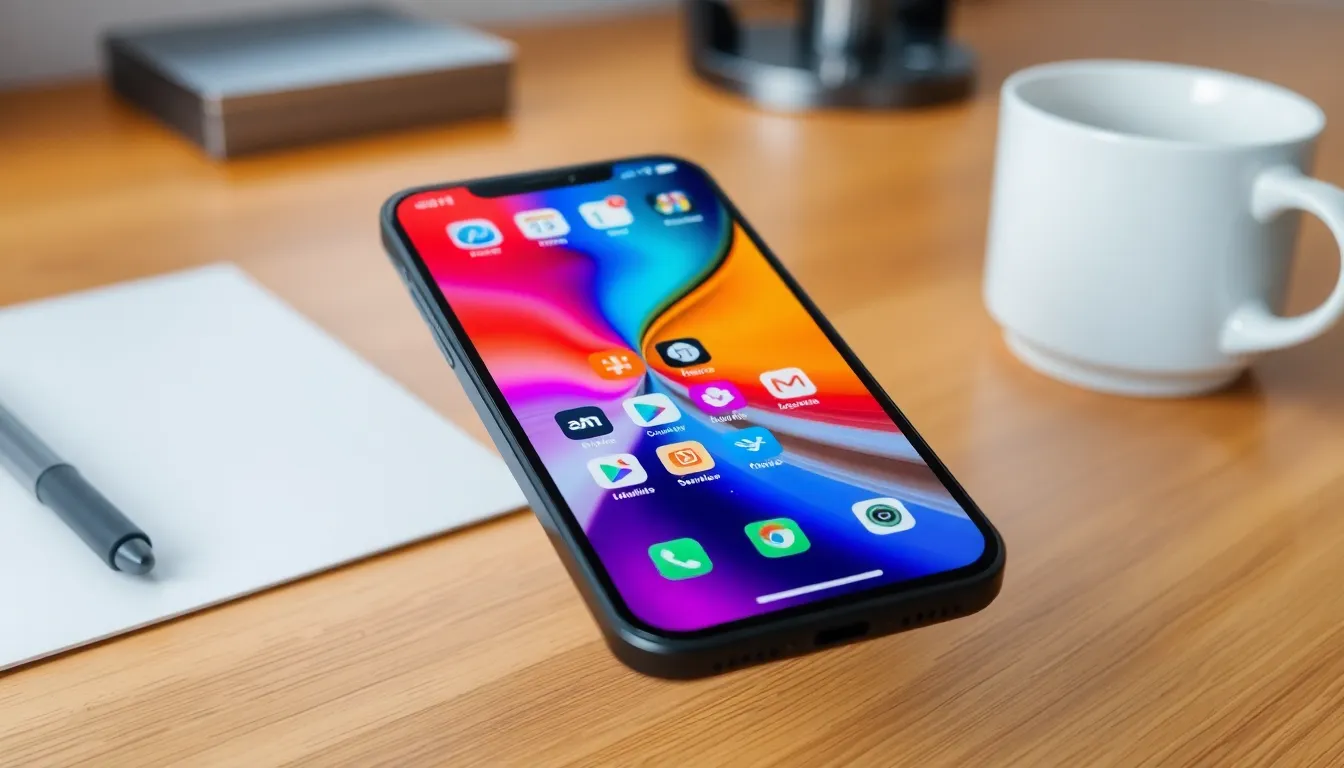
Smartphone personalization includes various features that enhance user experience. These options allow individuals to tailor their devices according to personal preferences.
Customizing The Home Screen
Home screen customization includes reordering app icons, adding widgets, and creating folders. Users can organize apps for quick access based on daily needs. Custom layouts provide visual appeal and improve navigation efficiency. Additionally, placing frequently used applications within reach saves time. This functionality grants users greater control over their device’s usability. Every interaction with a personalized home screen can feel more intuitive, aligning with individual workflows.
Themes And Wallpapers
Themes and wallpapers significantly influence the aesthetic experience of smartphones. These visual aspects enable users to express their style and mood. Dynamic wallpapers offer movement, bringing a fresh look to the display. Themes range from minimalist to vibrant designs, catering to different tastes. Changing these elements regularly can keep the device feeling new and engaging. High-resolution images enhance clarity, making personal expressions even more striking. Together, these features transform a device into a unique canvas for creativity.
Apps For Enhanced Personalization
Smartphone personalization can greatly benefit from various specialized apps designed to enhance user experience. These tools not only boost efficiency but also allow for creative expressions, making devices truly unique.
Productivity And Organization Tools
Task management apps like Todoist streamline daily responsibilities. Users can create to-do lists and set reminders. Calendar apps, such as Google Calendar, help schedule appointments and events seamlessly. These applications enhance organization by enabling color-coded tasks for easy navigation. Note-taking tools, like Evernote, allow for organized jotting down of ideas, ensuring nothing is forgotten. Efficiency improves when users can categorize notes and sync across devices. In addition, file management apps, such as Google Drive, simplify accessing and sharing documents, fostering better collaboration.
Creative Personalization Apps
Customization tools like Zedge provide extensive options for ringtones and wallpapers. Various themes allow users to transform their device aesthetics easily. Icon packs from apps such as Icon Pack Studio enable personalized app icons, adding flair to the home screen. Additionally, widget creation apps allow for functional and stylish home screens, combining usability with visual appeal. Users can include weather updates, music playing controls, and calendar events directly on their home screens. With dynamic lock screen apps, personalization extends further, allowing for tailored visuals each time the device is unlocked.
Security Considerations
Security remains a crucial aspect of smartphone personalization. A personalized phone may expose users to various security threats and privacy complications.
Privacy Risks In Personalization
Personalization can lead to unintended privacy risks. Location tracking features may compromise user privacy if apps collect sensitive data without proper consent. Customization often involves sharing personal information with third-party apps, increasing vulnerability. Users may unknowingly grant permissions that allow access to contacts, photos, and messages. Vulnerabilities can arise from unsecured public Wi-Fi when accessing personalized content. Awareness of these potential threats is vital for maintaining privacy.
Secure Personalization Practices
Employing secure practices during personalization enhances safety. Regularly reviewing app permissions ensures only necessary access is granted. Turning on two-factor authentication adds an additional protective layer. Utilizing a reputable VPN when connecting to public networks secures data transmission. Installing reliable security apps can help detect and mitigate potential threats. Keeping the operating system and apps updated minimizes exposure to known vulnerabilities. By adopting these practices, users can enjoy a personalized smartphone experience while safeguarding their security and privacy.
Future Trends In Smartphone Personalization
Smartphone personalization trends continue to evolve, driven by technology and user demands. These trends emphasize a deeper, more intuitive interaction between users and their devices.
Artificial Intelligence And Machine Learning
AI and machine learning increasingly play roles in smartphone personalization. Algorithms analyze user behavior, enabling devices to offer suggestions tailored to individual preferences. Personal assistants, such as Google Assistant and Apple’s Siri, continuously learn from user interactions, improving their effectiveness. Context-aware notifications become more customized, providing relevant information based on location and time of day. Over time, this intelligent personalization fosters a seamless user experience, making smartphones smarter companions that adapt to users’ needs.
Advances In User Interface Design
User interface design sees significant advancements, enhancing smartphone personalization. Designers focus on creating more intuitive layouts that adapt to users’ habits. Gesture-based controls streamline interactions, allowing for quicker access to frequently used features. Dynamic themes respond to specific contexts, changing colors and icons based on time or location. Improved accessibility options offer personalized experiences for users with disabilities, ensuring inclusivity. These design innovations aim to create a more engaging and user-friendly interface, making smartphone personalization more accessible for everyone.
Smartphone personalization is more than just a trend; it’s a way for individuals to express their identities and enhance their connection with technology. As users embrace customization options, they transform their devices into personal companions that reflect their unique styles and preferences.
With advancements in technology, the future of smartphone personalization promises even greater innovation. As artificial intelligence and machine learning continue to evolve, users can expect more tailored experiences that adapt to their behaviors and needs.
By prioritizing personalization while remaining mindful of security, users can enjoy a richer and safer smartphone experience. Embracing these changes allows individuals to truly make their smartphones an extension of themselves.